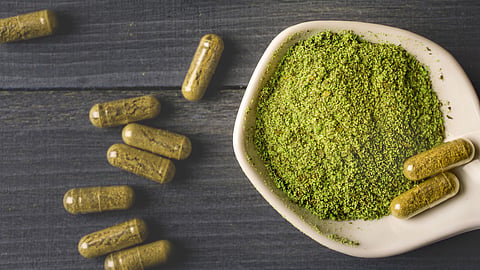


HANOVER — The Board of Health banned the sale and distribution of kratom, a commercially available, plant-derived drug, within the town of Hanover effective July 6, 2026. It also banned all “unregistered novel intoxicating products.”
Any businesses that sell kratom or other newly banned substances may be subject to fines and the suspension or revocation of licenses issued by the Board of Health. Individuals that purchase or possess these products within the town of Hanover will not be subject to sanctions if the substances are not regulated by state or federal law.
“The Board's decision followed months of research, public input, and discussion regarding the safety and regulation of Kratom products,” a Facebook post by the Board of Health read. “Board members noted concerns regarding the lack of federal oversight, product testing, and labeling standards currently associated with Kratom products available to consumers.”
The ban includes all forms of kratom, which is currently sold legally at gas stations, convenience stores and smoke shops across the country. It also includes synthetically derived THC and products with “psychoactive, intoxicating, or mood-altering effects” that are not approved by the FDA and “not otherwise regulated or scheduled under Massachusetts or federal law.” It does not apply to state-regulated cannabis sales.
“At some future point, [the FDA] may come up with lab testing and labeling and everything else that makes it perfectly acceptable. However, at this time it isn't,” Board of Health Member John Dougherty said. “So therefore we have to be conservative and say we have to regulate it however this board decides to.”
What is kratom?
According to MayoClinic, kratom is “sold as an energy booster, mood lifter, pain reliever and remedy for the symptoms of quitting opioids.” But those claims are not well researched, and large doses of kratom can have side effects including liver damage, high blood pressure, trouble breathing, hallucinations and seizures, especially when taken with other drugs or medications.
The FDA has not approved a medical use for kratom, and it cannot be lawfully marketed as a medication or dietary supplement in the U.S. Though it has not banned the sale or distribution of kratom, it has warned consumers against consuming it.
“Individuals who use kratom in smaller doses report stimulant-like effects that may increase energy levels and alertness and combat fatigue,” an article by American Addiction Centers reads. “In higher doses, those who take kratom report opioid-like sedative effects and psychotic symptoms.”
The drug can also carry heavy metals and germs, and MayoClinic claimed that the FDA has linked over 35 deaths to kratom tainted with salmonella bacteria.
“These substances are often produced without regulatory oversight and sold without proper labeling, dosage guidance, or ingredient transparency,” the Board of Health regulation reads. “As a result, they are associated with unpredictable and potentially harmful health effects.”
How will the ban be enforced?
Businesses found by the Board of Health to be in violation of the ban will be subject to a $300 fine on the first offense; a $300 fine and a 3-day suspension of all Board of Health permits on the second offense; a $300 fine and a 30-day suspension on the third offense; and a $300 fine and possible revocation of permits on the fourth. Each day that a business sells banned products will represent a separate offense.
The Board of Health must hold a hearing before suspending or revoking any licenses. Businesses can also request a hearing for alleged violations that do not involve license suspension.
Both the Board of Health and the police department have the power to inspect businesses for compliance with the ban. Anyone may report the sale of kratom or other banned substances to the police department or Board of Health.
About the South Shore Times
The South Shore Times is an independent, locally-owned digital news platform, free to readers, that covers communities south of Boston. Our articles are written by South Shore reporters, not AI.
For more South Shore news, subscribe to our newsletter.