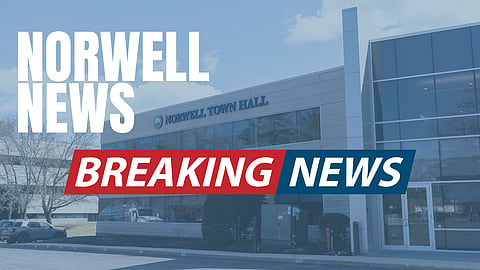

Norwell residents are under a townwide boil water order after E. coli bacteria were detected in the town's public drinking water, prompting officials to advise residents not to consume tap water without first boiling it.
According to the notice issued by the Norwell Water Department, the town was notified July 8 that a water sample collected July 7 tested positive for E. coli bacteria. The order applies to all users served by the Norwell water system.
Residents are instructed not to drink tap water unless it has been brought to a rolling boil for at least one minute or replaced with bottled water. Officials said boiled or bottled water should be used for drinking, making ice, preparing food, brushing teeth and washing dishes until the order is lifted.
The notice also advises residents to discard ice, beverages, uncooked foods and infant formula made with tap water collected on or after July 6. Food establishments are directed to follow guidance from the Massachusetts Department of Public Health and their local board of health.
According to the notice, E. coli bacteria indicate that water may be contaminated with human or animal waste. Such contamination can cause symptoms including diarrhea, cramps, nausea and headaches, with infants, young children, older adults and people with severely compromised immune systems facing a greater health risk. Officials said residents experiencing persistent symptoms should seek medical advice.
The town said bacterial contamination can occur when runoff enters a drinking water source, following events such as heavy rain, or because of a break in the water distribution system or a failure in the treatment process.
To address the issue, the Norwell Water Department said it is flushing water mains and increasing chlorination throughout the system. Officials said residents will be notified when testing confirms the water is free of bacteria and no longer requires boiling. The town anticipates resolving the problem within 72 hours.
For additional information, residents can contact the Norwell Water Department or the Massachusetts Department of Environmental Protection Drinking Water Program using the contact information provided in the public notice.
